The paradox of cheap risk: why institutional capital is flooding the insurance market
Our world is clearly becoming riskier today, with rising climate threats, geopolitical tensions, and systemic cyber risks, paradoxically, the cost of insuring against these major risks is actually falling.
This disconnect between growing danger and falling insurance prices is worrying for traditional risk managers. It reflects a deep structural shift driven mainly by the search for yield in alternative markets.
The alternative capital flood
A massive wave of money from hedge funds and sovereign wealth funds is flowing into the insurance sector. They are looking for higher returns that are not linked to traditional stock and bond markets.
Distorting the traditional cycle
In the past, big disasters would wipe out capital reserves and push insurance prices higher, attracting new capital only when returns were attractive. Today, too much investment capital is keeping prices artificially low even as real-world risks increase.
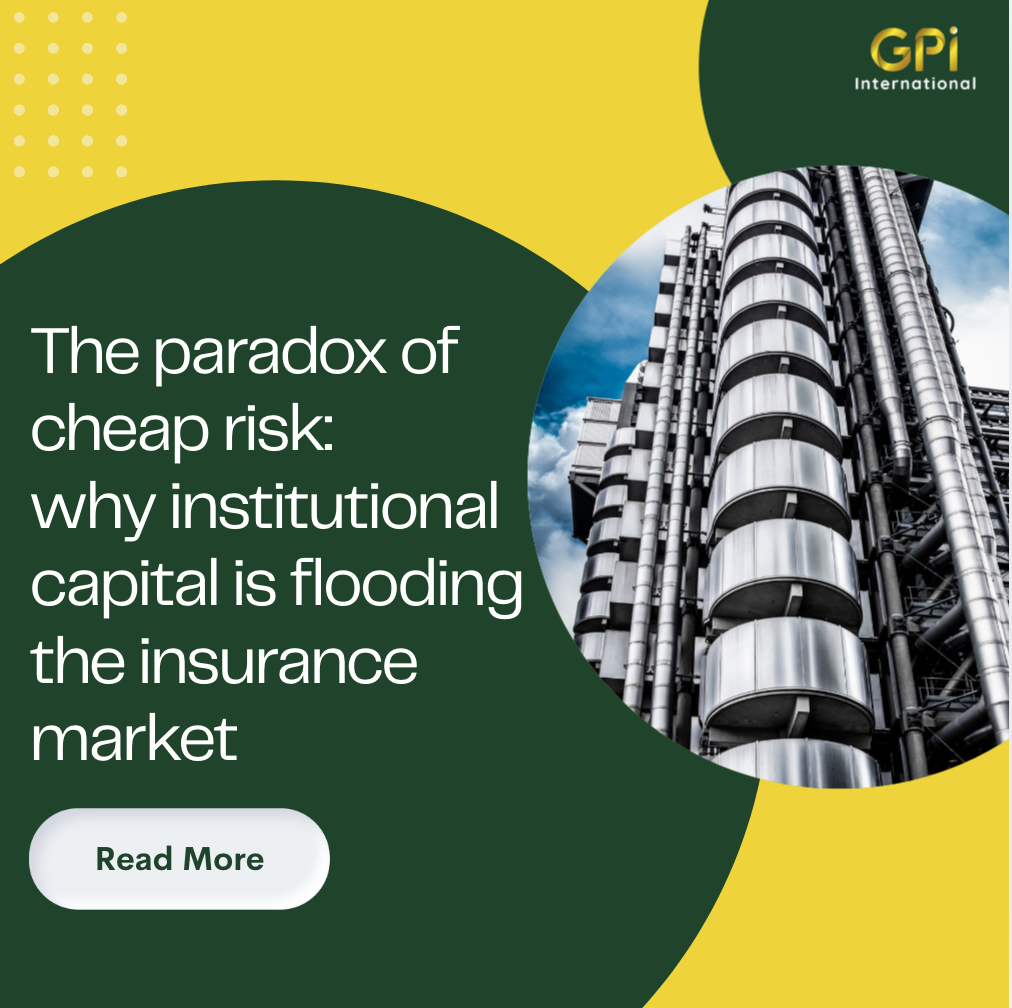
The Lloyd’s of London phenomenon
As a key example, alternative capital now makes up over 12% of members’ funds in this historic market. Over the past two decades, allocations here have consistently outperformed broad global stock and bond portfolios.
The growing risk
Industry experts worry that underpricing risk is building a dangerous financial bubble. If a large connected disaster happens, investors exposed to cheap risk could face serious losses.
What this means for the modern investor:
- Uncorrelated benefits: adding insurance exposure to a traditional portfolio can improve returns and reduce overall risks.
- Diversification benefits: adding insurance exposure to a traditional portfolio can improve returns and reduce overall risk.
- Market resilience: it is still unclear whether investors will exit after a disaster or stay and reinvest, which could stabilise the market.
- Systemic vulnerabilities: emerging threats like rogue AI and deepfake fraud pose massive, aggregated risks that could severely test the sector’s capital reserves.
Looking ahead to the next catastrophe
The real test for this influx of capital will come with the next major global disaster. It will ultimately determine if the traditional boom-and-bust cycle of insurance is dead, or merely resting.
To navigate these complex markets, investors need advanced analysis. Tracking these institutional flows to help protect portfolios from systemic risks and understanding the real price of risk are now essential for protecting and growing wealth in an increasingly uncertain global economy.